
Elasmobranchs small-scale fishery in Guatemala: Socioeconomic aspects and value chain structure
Abstract
Small-scale fishing is a cornerstone of Guatemala’s coastal economy, including products derived from elasmobranchs. This study characterises socioeconomic aspects and the value chain of Guatemala’s small-scale elasmobranch fishery, and the country’s role in the international market for CITES-listed species. Surveys covered fishing actors in ten coastal communities, 32 distribution centres and traditional markets in eight departments, and CITES trade statistics.
Fishers reported an average of 24 years in the activity. Twenty-five percent economically depend on elasmobranchs, while 65% rely on finfish, shrimp and lobster. The value chain spans capture, intermediaries, marketing and retail. Average price increase was USD 1.66/kg, highest for dried salted shark (USD 2.65/kg) and lowest for fresh rays (USD 1.12/kg). Guatemala accounts for 2.76% of Central American CITES species exports and is the principal regional importer of shark meat.
Introduction
Small-scale fisheries on Guatemala’s Pacific and Caribbean coasts generate jobs and food. Longlines and gillnets catch or incidentally catch elasmobranchs, particularly silky sharks, scalloped hammerheads and Hypanus rays. Official data on fishers, vessels, fishing effort and species landings remain uncertain, hindering socioeconomic and value-chain assessment.
Methods
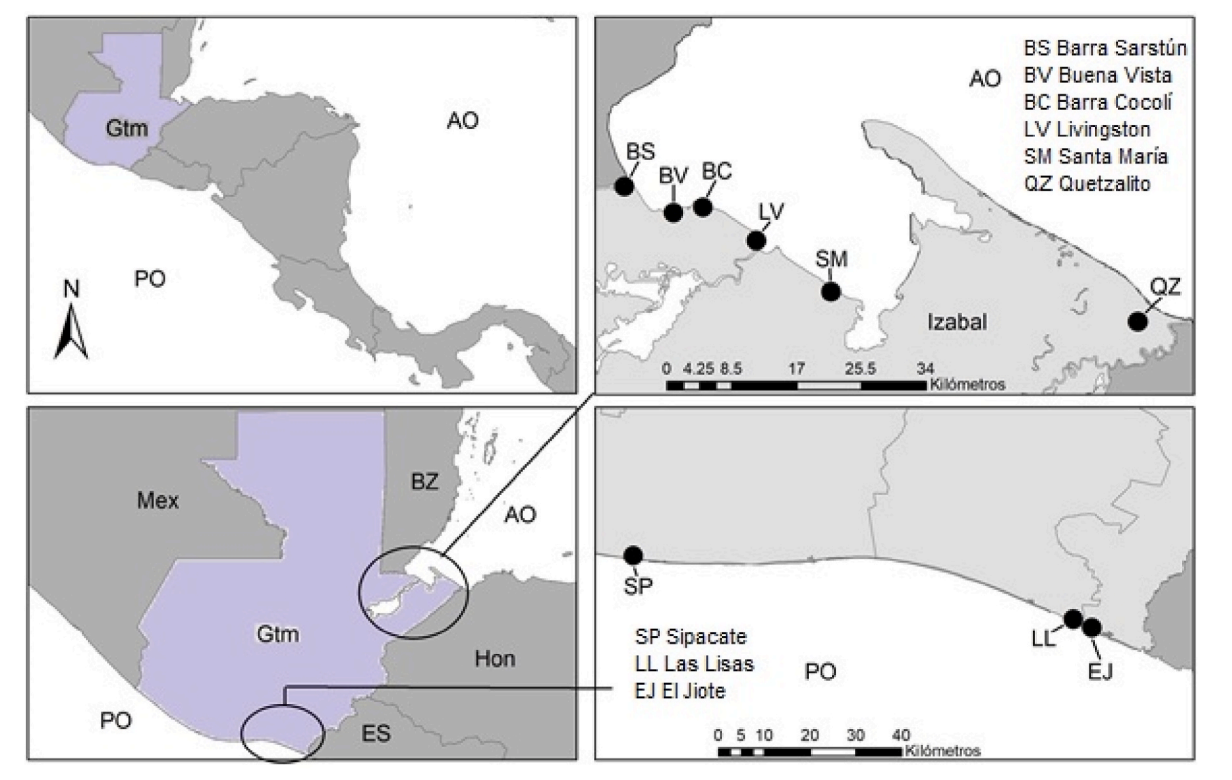
Research covered ten fishing communities: El Jiote, Las Lisas and Sipacate on the Pacific; and El Quetzalito, Santa María del Mar, Livingston, Buena Vista, Barra Cocolí, San Juan and Barra Sarstún on the Caribbean. In late 2021, 242 semi-structured surveys were completed with boat owners, captains, assistants and fishers. From February to May 2022, 65 interviews were conducted with fishers, intermediaries, merchants and retailers. CITES trade statistics were also analysed.
Figure 1. Fishing communities surveyed on Guatemala’s Caribbean and Pacific coasts.
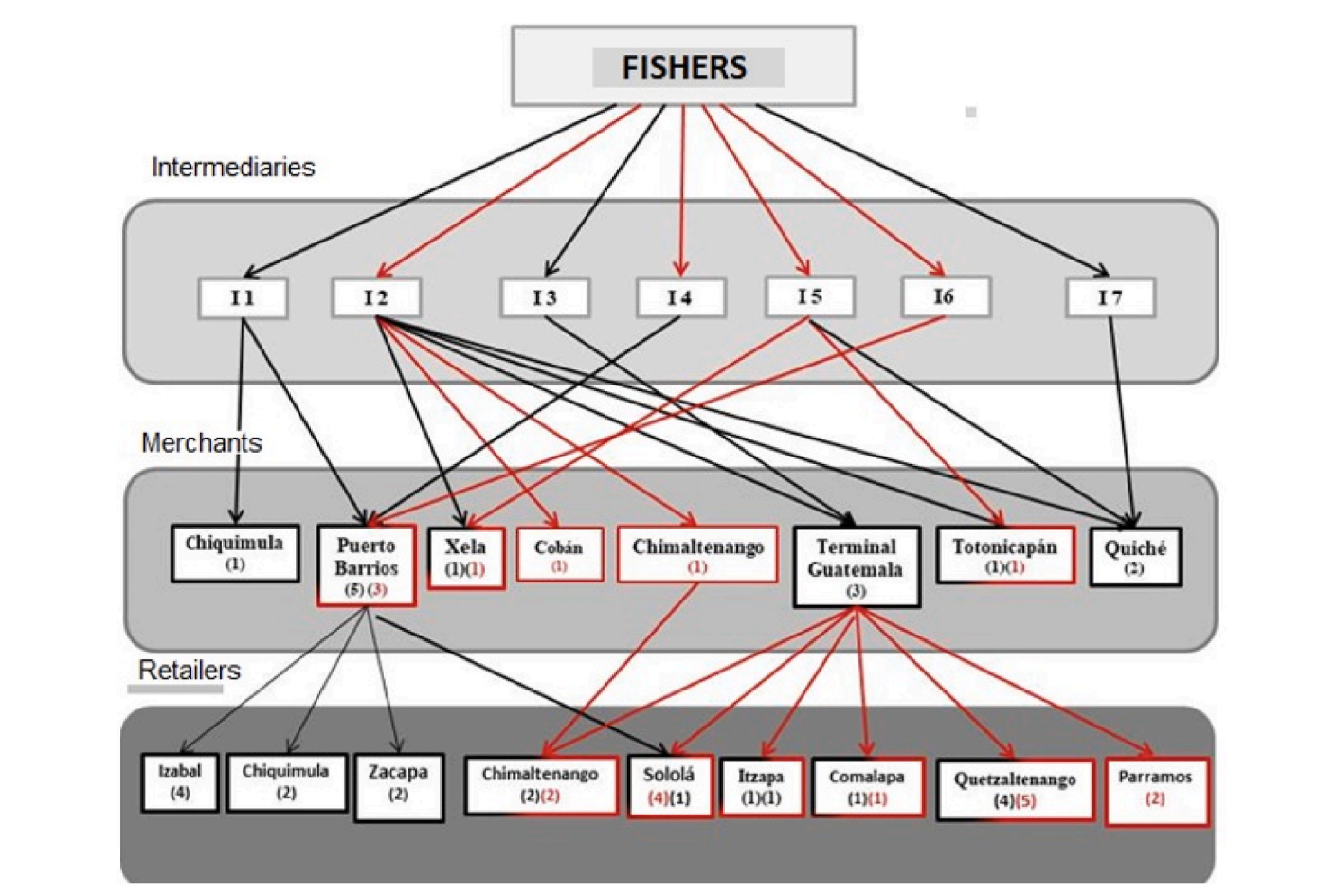
Figure 2. Structure of the elasmobranch value chain, from fishers through intermediaries and merchants to retailers.
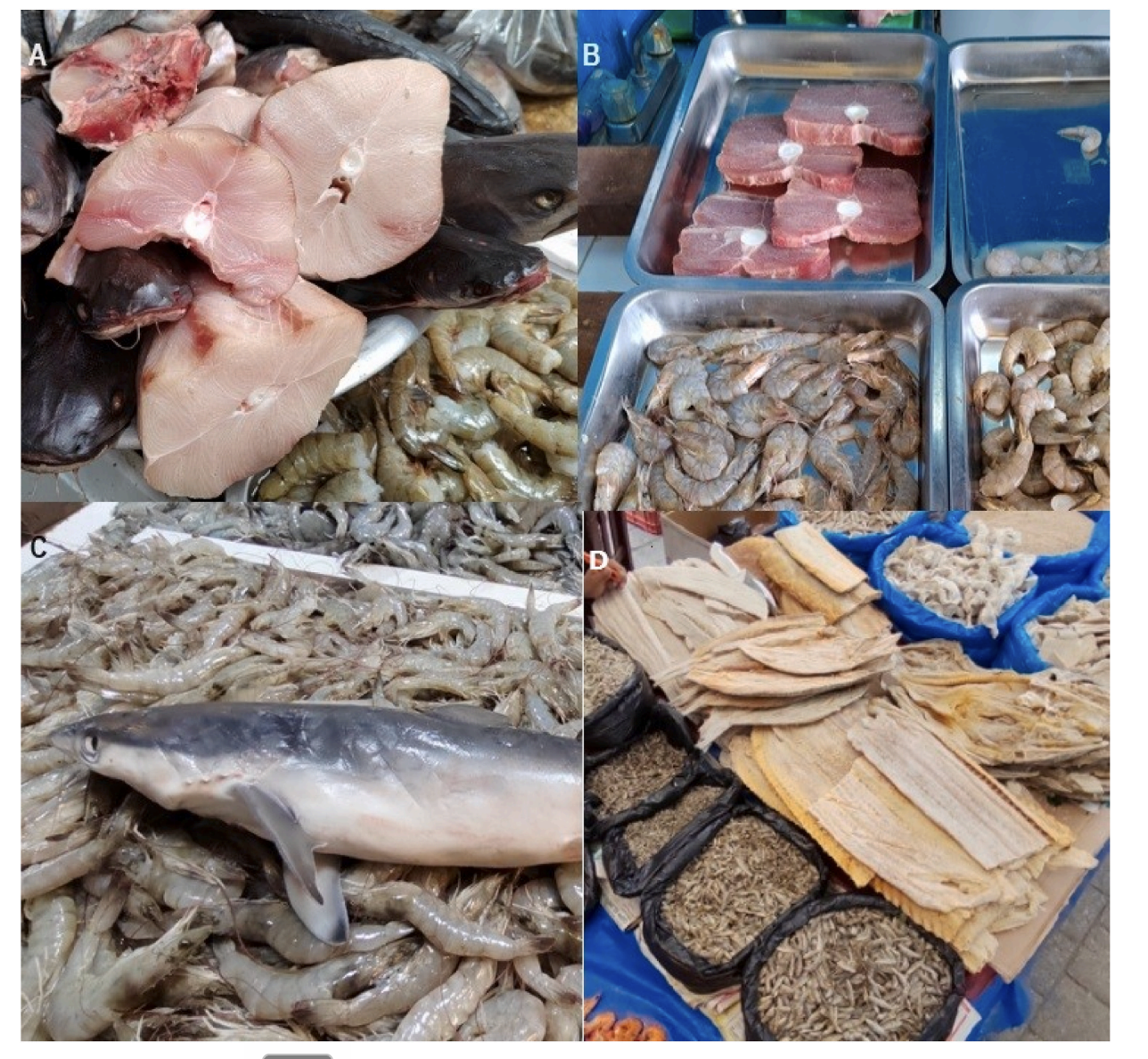
Figure 3. Examples of elasmobranch products and seafood markets.
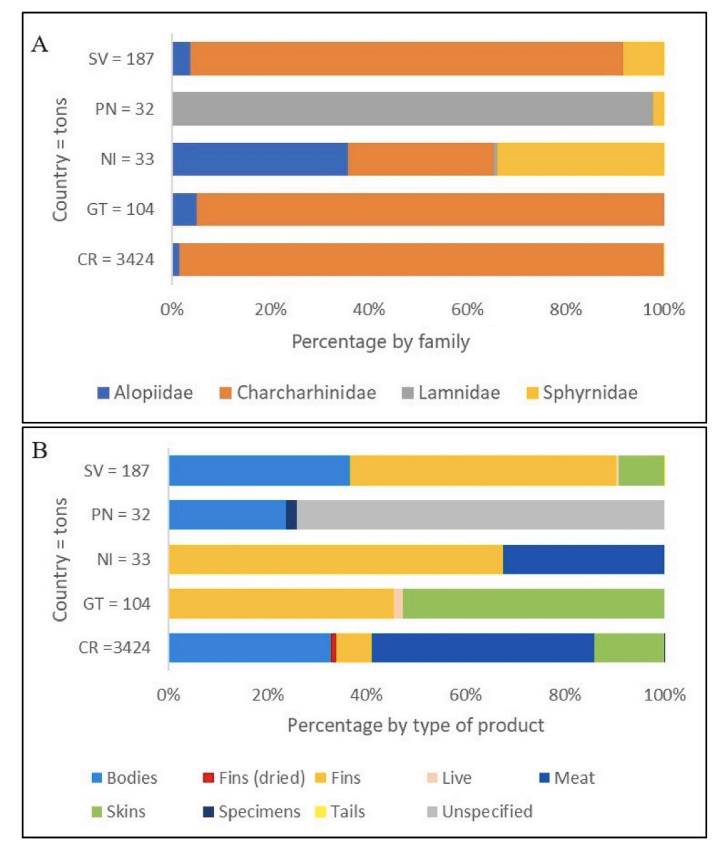
Figure 4. CITES exports and imports in Central American countries by family and product type.
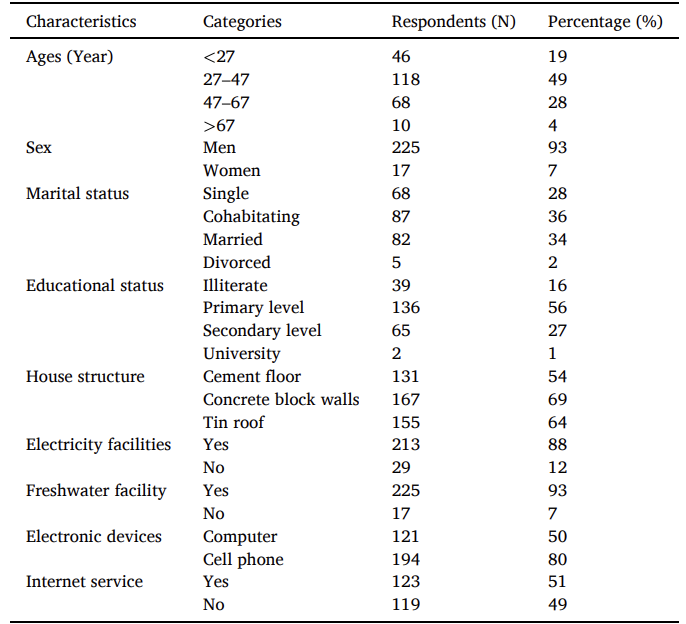
Table 1. Socioeconomic characteristics of fishing actors interviewed.
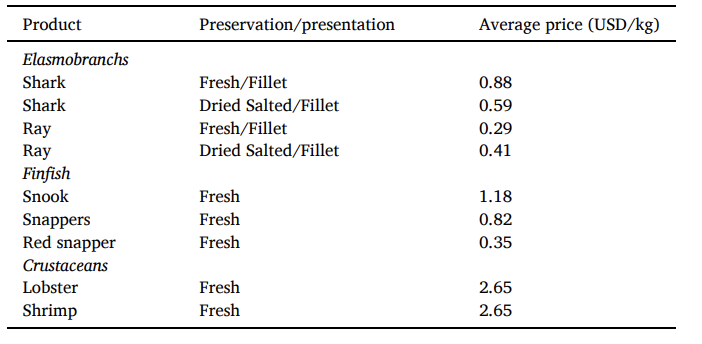
Table 2. Average prices of elasmobranch and other fishery products paid to fishers.
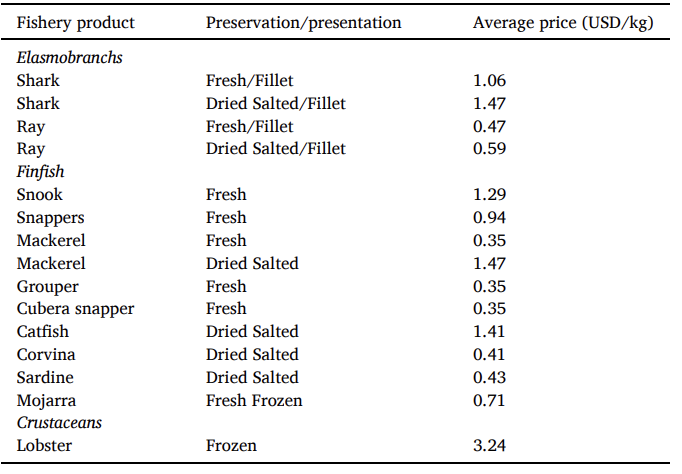
Table 3. Average prices paid by intermediaries.
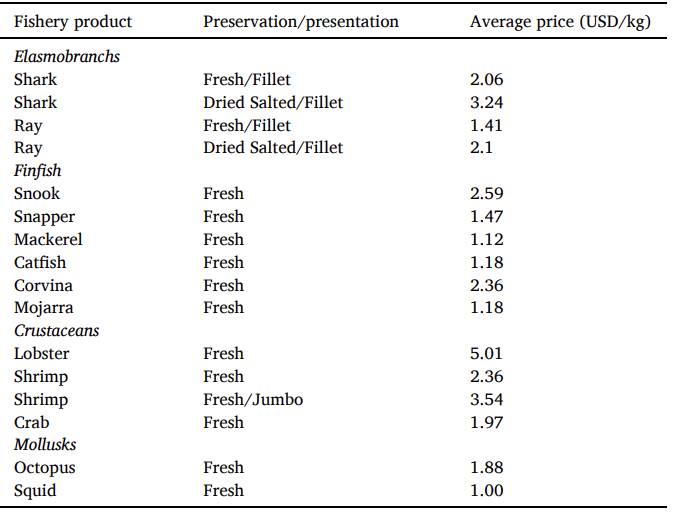
Table 4. Average prices at seafood markets.
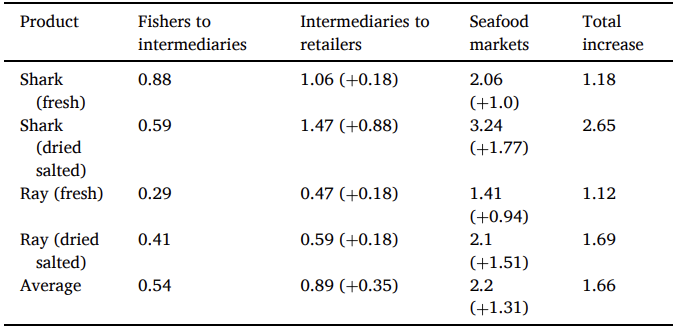
Table 5. Price increase of shark and ray products along the value chain.
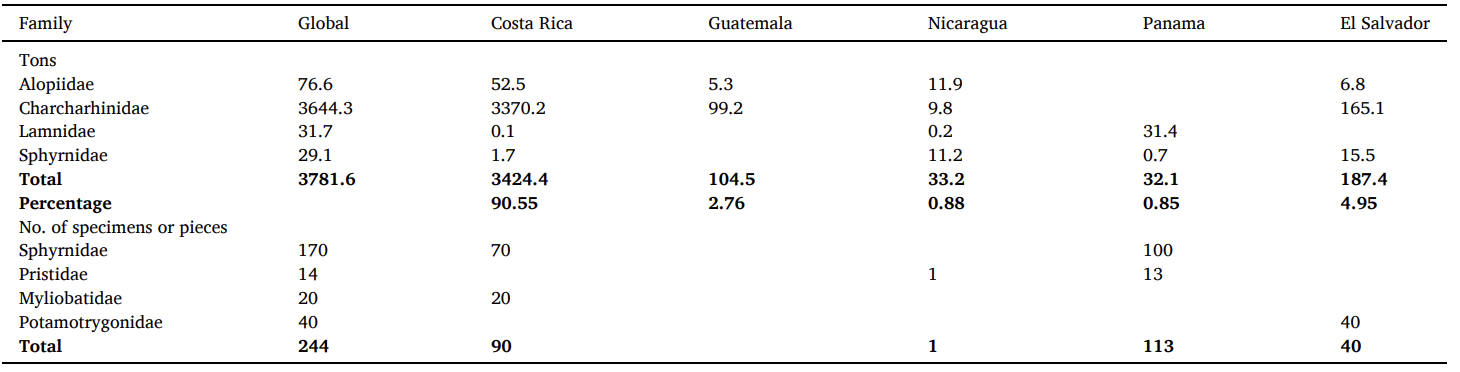
Table 6. CITES trade records by elasmobranch family in Central America.
Results
Fishing was the primary source of employment, with an average tenure of 24 years. Interviewees were predominantly men (93%); 25% depended economically on elasmobranchs and 65% on finfish, shrimp and lobster. The chain begins with fishers and continues through intermediaries, merchants and retailers, connecting coastal communities with markets throughout Guatemala.
Prices increased markedly along the chain. Fresh shark rose from USD 0.88/kg at the fisher level to USD 2.06/kg at markets; dried salted shark rose from USD 0.59/kg to USD 3.24/kg. Fresh rays rose from USD 0.29/kg to USD 1.41/kg. Guatemala exported skins, fins and live specimens of Carcharhinus falciformis and Alopias pelagicus during 2018–2022, while importing 65.1 tons of shark meat, 99.78% of Central American imports.
Discussion and conclusions
Demand for shark meat exceeds the supply from catches in Guatemala, creating a risk of increased fishing pressure. The results provide a basis for improving traceability, market monitoring and management of CITES-listed species. Strengthening data collection, value-chain governance and sustainable livelihood options is necessary to conserve elasmobranchs while supporting coastal communities.
Reference
Rosales-Melgar, M. A., Santana-Morales, O., Rodríguez-Fuentes, M., Zepeda-Domínguez, J. A., Pérez-Jiménez, J. C. & Areano-Barillas, E. (2024). Elasmobranchs small-scale fishery in Guatemala: Socioeconomic aspects and value chain structure. Social Sciences & Humanities Open, 10, 100970. https://doi.org/10.1016/j.ssaho.2024.100970