An initiative that combines community beekeeping, mangrove conservation, and sustainable development is helping to protect marine biodiversity, strengthen fishing communities, and reduce pressure on key species such as sharks.
An unexpected connection between bees and oceans
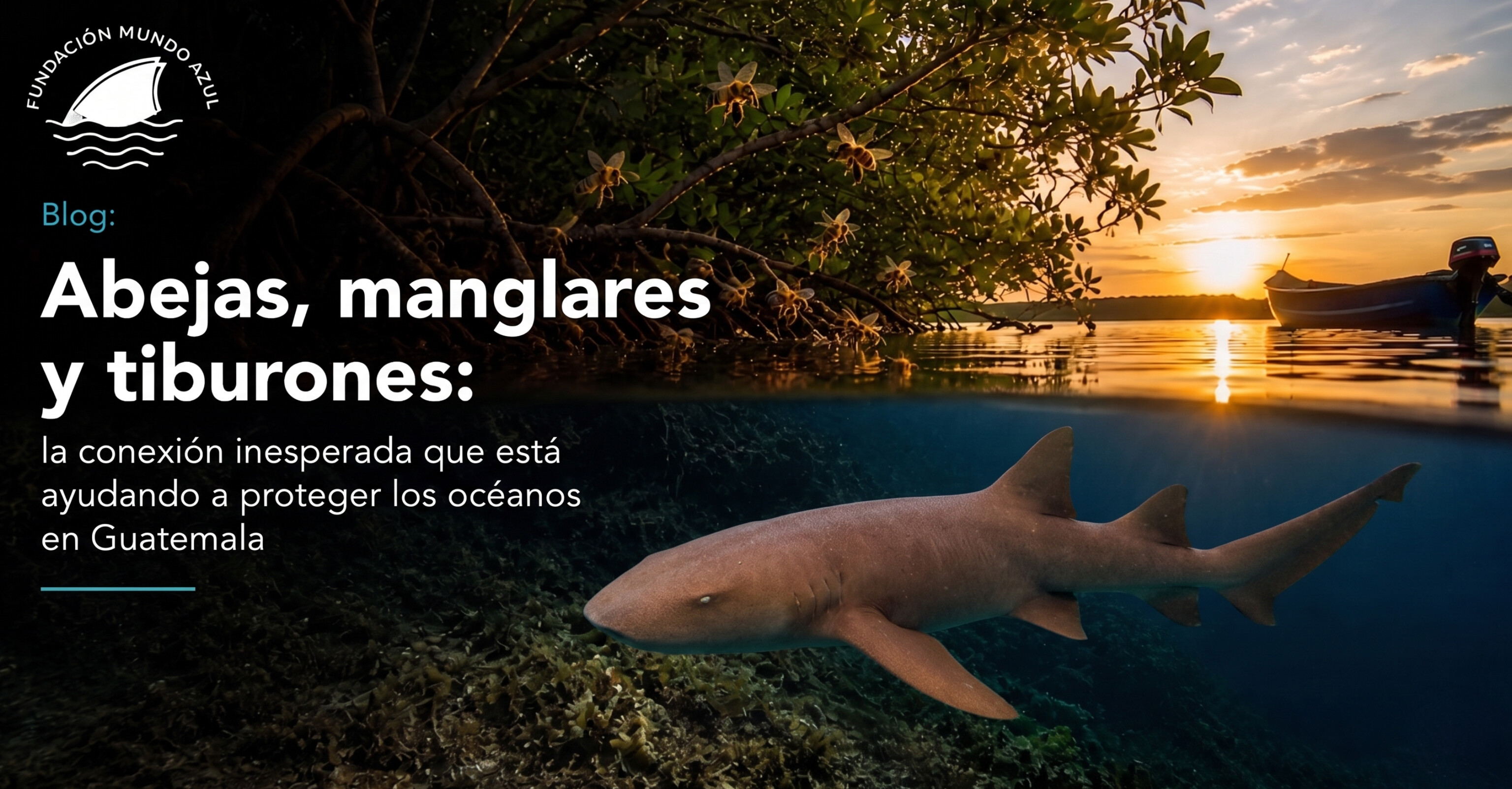
What do a bee, a mangrove, and a shark have in common?
Although they seem to belong to completely different worlds, on the coasts of Guatemala, these three elements are connected by a single reality: fishing communities seeking to protect the ocean while developing new economic opportunities for their families. Bees are fundamental to the balance of ecosystems and global food security, as they act as pollinators for a wide variety of wild plants and agricultural crops. It is estimated that around 75% of the crops we consume depend to some extent on pollination, making these insects key contributors to food, production and biodiversity.
However, bee populations are declining globally. The intensive use of pesticides, habitat loss, climate change, as well as various diseases and parasites, are severely affecting these insects. The decline in bee populations poses a risk not only to biodiversity but also to ecosystem stability and food security.
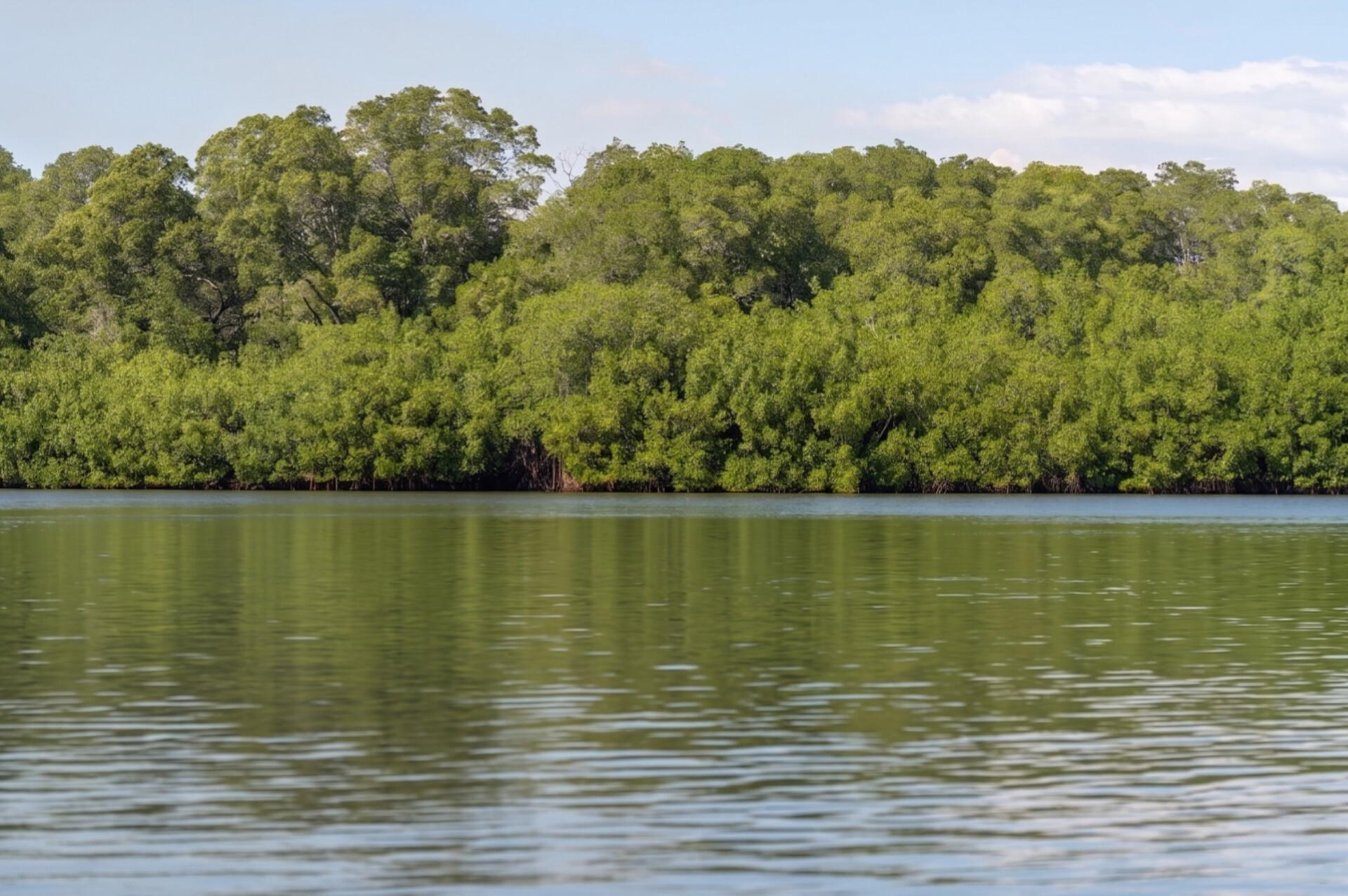
Mangroves: key ecosystems for biodiversity and communities
In Guatemala, mangroves are one of the most important ecosystems for biodiversity and fishing communities. These coastal forests provide essential ecological functions: they protect coastlines from storms and erosion, store large amounts of carbon, and serve as natural nurseries for numerous marine species.
Mangroves also support artisanal fisheries on which many coastal families depend and are home to a great diversity of species, including fish, crustaceans, birds, and reptiles. It is estimated that Guatemala has between 20,000 and 25,000 hectares of mangroves, making them one of the country's most valuable coastal ecosystems.
However, their current state is concerning. Over recent decades, approximately half of the original mangroves have been lost due to agricultural expansion, particularly of African palm and cattle ranching, logging for firewood and timber, pollution of rivers flowing into coastal areas, the development of tourism infrastructure and shrimp farms, as well as the effects of climate change that cause sea levels to rise and alterations in water salinity.
The loss of mangroves not only threatens biodiversity, but also the livelihoods of many coastal communities.
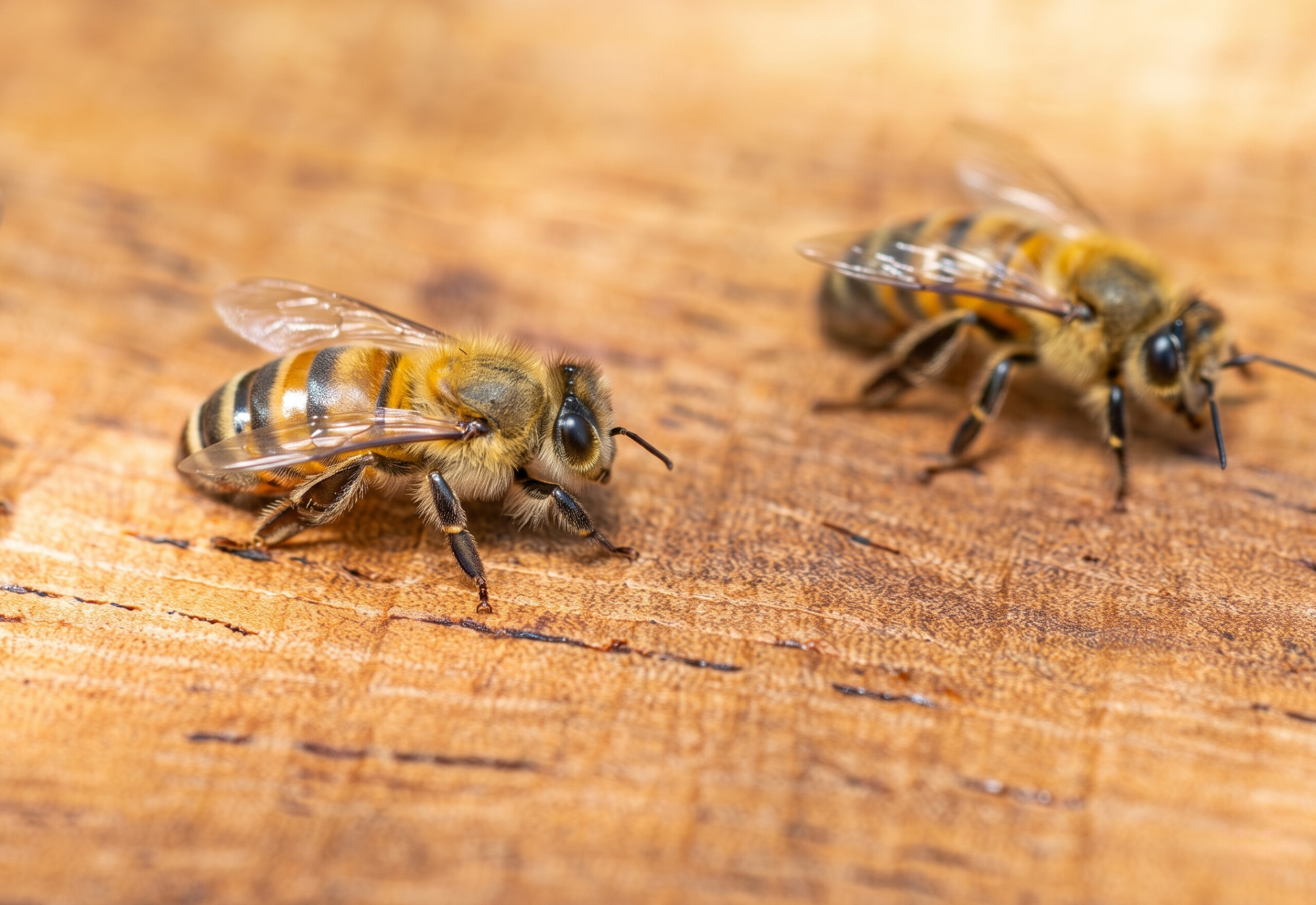
Apiaries in mangroves: a nature-based solution
Faced with these challenges, Mundo Azul Foundation has launched an innovative initiative that connects mangrove conservation with the well-being of communities : the establishment of community apiaries within mangrove ecosystems.
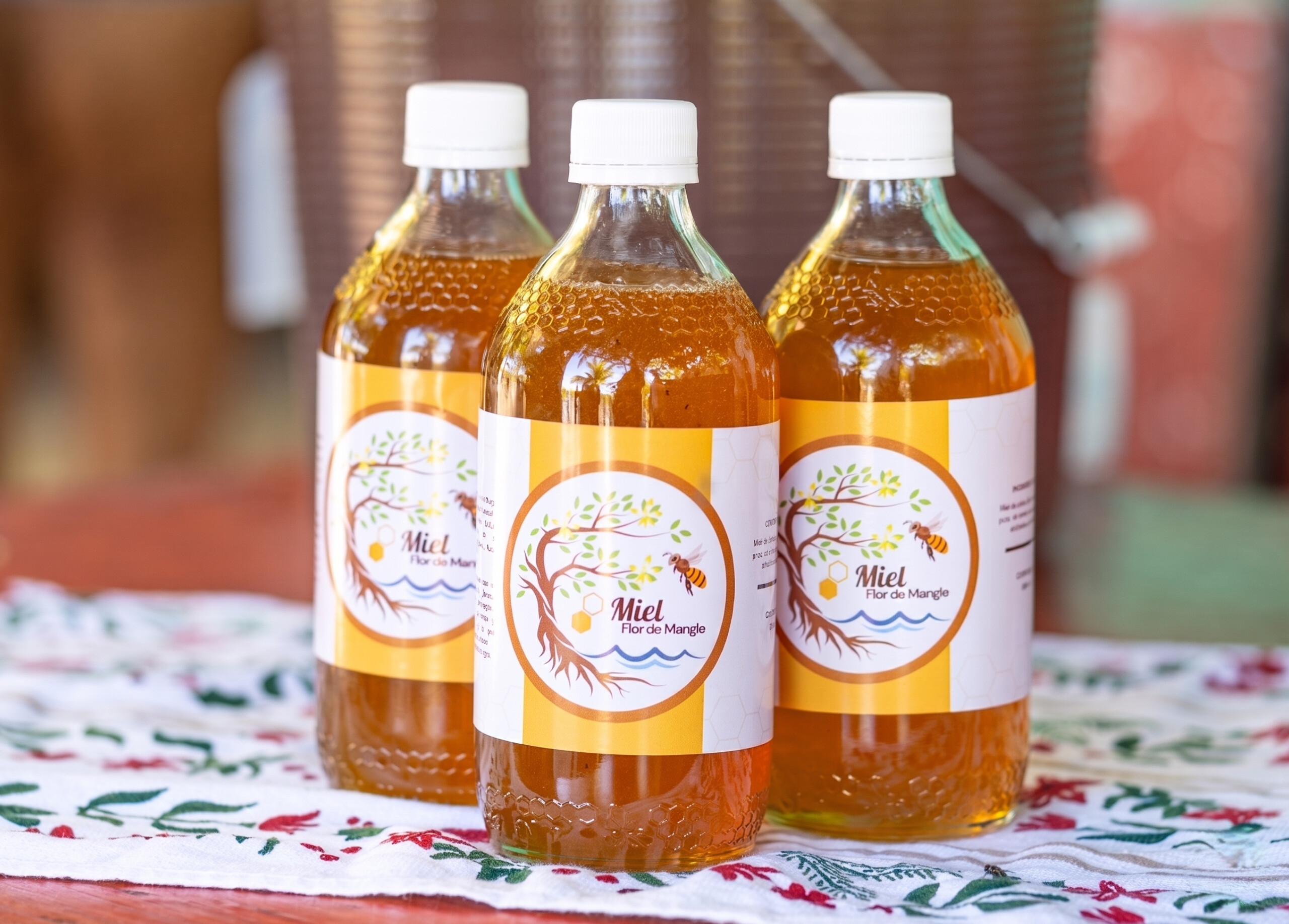
The initiative takes advantage of a natural relationship, as bees feed on the nectar of mangrove flowers. This allows for the production of honey and other bee-derived products while simultaneously encouraging the protection of the ecosystem.
Through the program, fishers, and especially women from coastal communities, have received training in hive managment, honey production, and the creation of value-added products such as honey with bee pollen, beeswax candles, and handmade soaps. In addition, financial literacy workshops have been offered to strengthen local capacities for managing income, analyzing markets, and developing sustainable enterprises.
This model helps diversify household income sources and reduce exclusive dependence on fishing, thereby strengthening the economic resilience of coastal communities.
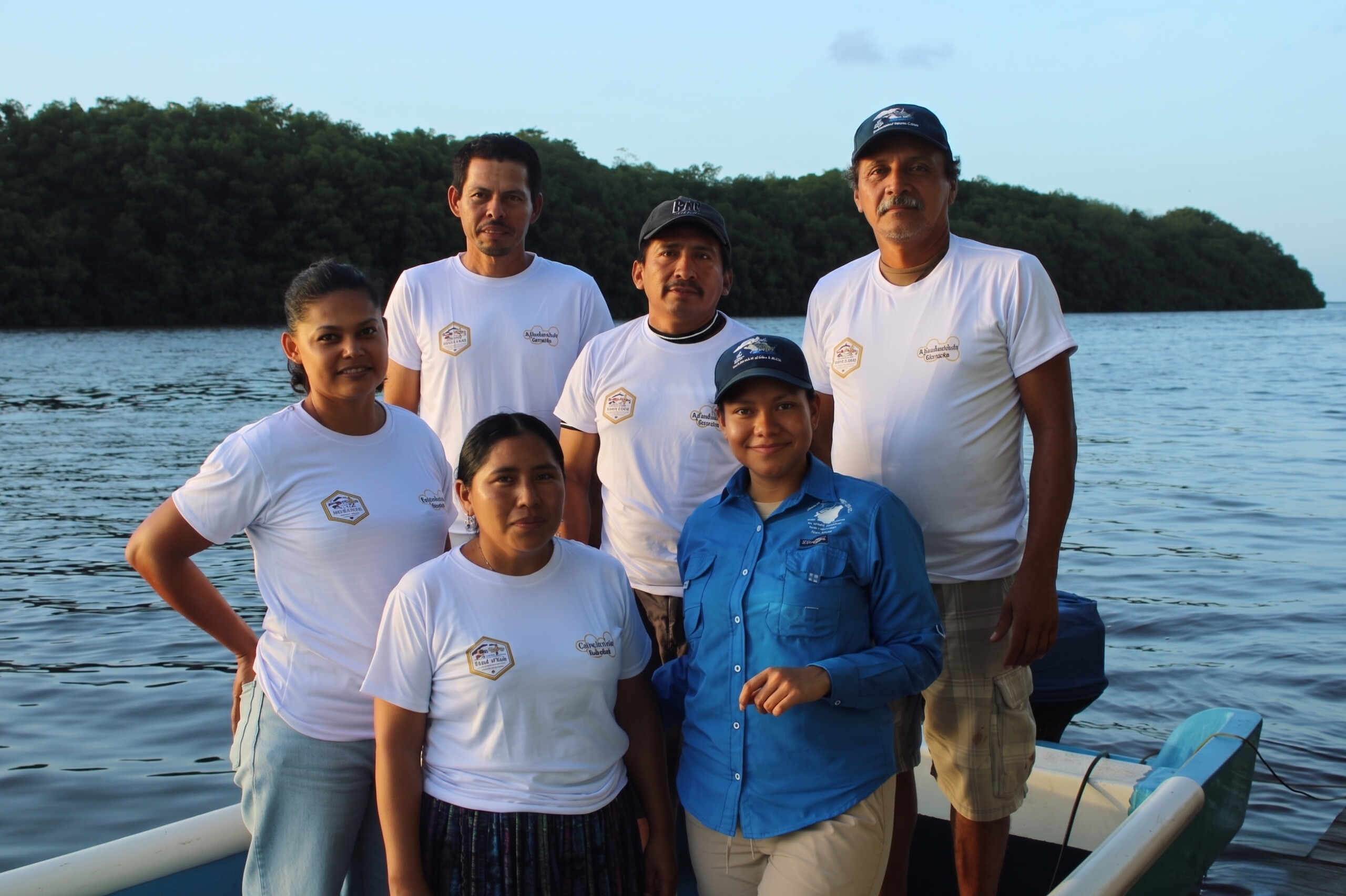
Less pressure on the sea, more life in the oceans
Economic diversification is also key to marine conservation. Many coastal communities depend almost exclusively on fishing, which can increase pressure on marine ecosystems.
Among the most affected species are sharks, apex predators that play a vital role in ocean health. By regulating food webs, they help maintain the balance of marine populations and species diversity.
However, in recent decades many shark populations have declined by more than 70%, mainly due to overfishing and bycatch in industrial fishing nets. The loss of these species can disrupt the balance of marine ecosystems.
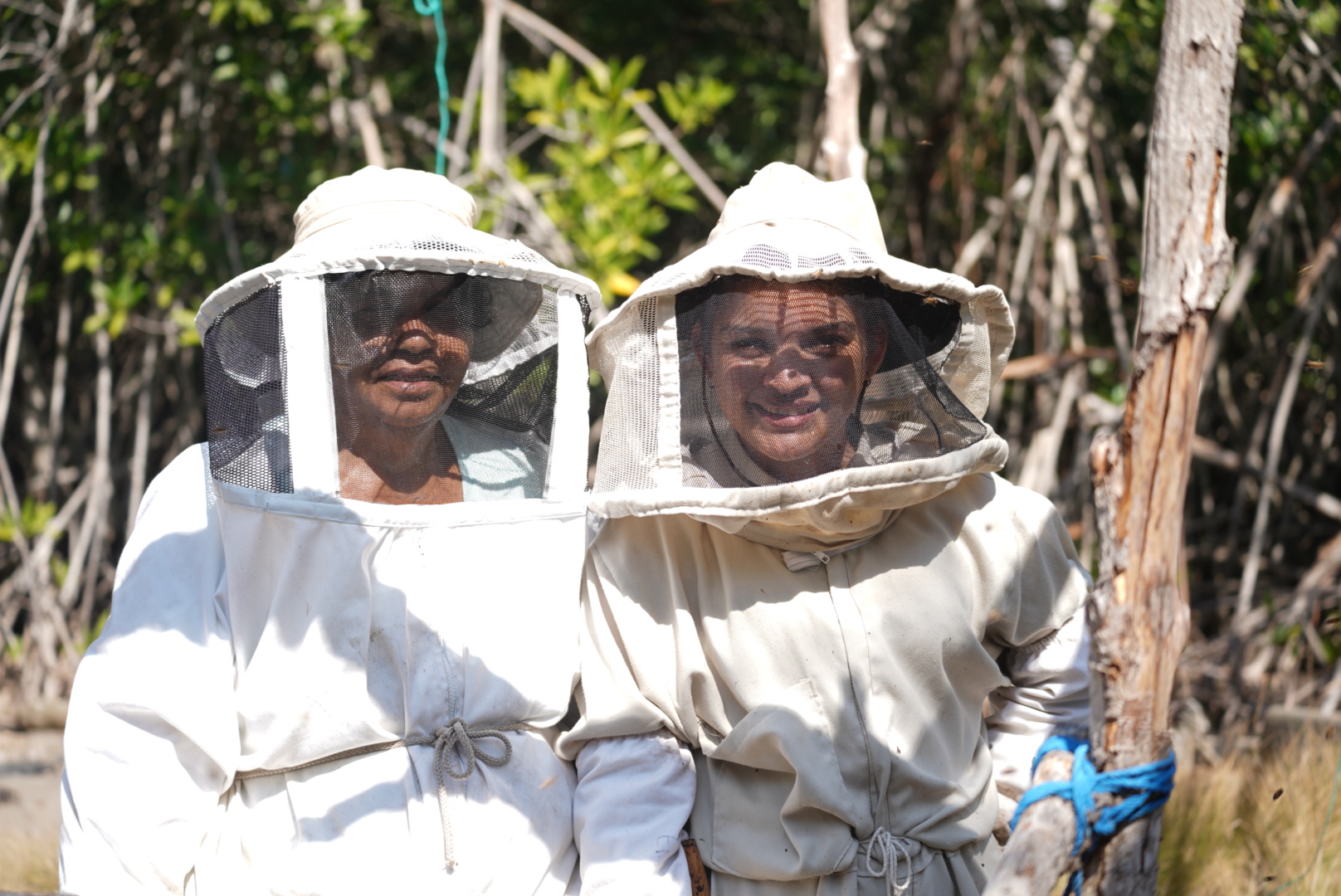
A win-win solution for both communities and nature
Initiatives connecting bees, mangroves, and fishing communities demonstrate that conservation can go hand in hand with local development. By promoting sustainable economic alternatives and strengthening community leadership, especially among women, these projects help reduce pressure on marine resources, protect mangroves, and conserve marine biodiversity.
Because protecting the ocean does not always begin at sea. Sometimes it starts in the mangroves, with committed communities and the buzz of a bee that, quietly, also helps protect life in the oceans.
Support solutions that protect the ocean from the ground up, starting with local communities. Your donation helps strengthen mangrove beekeeping projects, generate sustainable income for coastal families, and reduce pressure on key species like as sharks.
Donate today and be part of protecting Guatemala's oceans!