


Novemeber 24th 2025
Beekeeping, as a sustainable activity, can provide alternative sources of income for coastal communities, reducing their dependence on fishing and strengthening their resilience to various economic and cultural vulnerabilities. At the same time, it promotes mangrove conservation by creating an economic incentive for their protection and restoration.
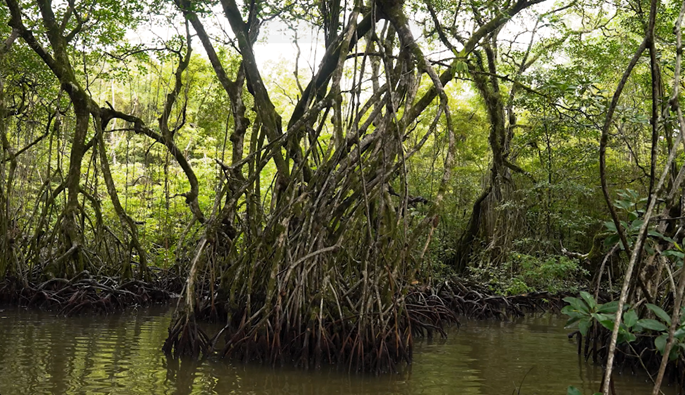
Balance is essential for the functioning of ecosystems. Mangroves and oceans are a clear example of this vital equilibrium. The complex system formed by mangrove roots acts as a natural filter for nitrates, phosphates, and various pollutants carried along rivers, thereby cleaning and improving the quality of the water that flows into seas and the ocean. In addition, these ecosystems help maintain the ecological balance of the oceans, as they provide shelter and food for a wide range of aquatic species during their juvenile stages. As adults, these species migrate to the open sea, where they play an important role within the food web.
Balance is essential to the functioning of ecosystems, and mangroves and oceans are a clear example of this vital equilibrium. The complex network formed by mangrove roots acts as a natural filter, trapping nitrates, phosphates, and various pollutants carried by rivers, thereby improving the quality of the water that flows into seas and oceans. Additionally, these ecosystems play a key role in maintaining oceanic ecological balance by providing shelter and food for a wide variety of aquatic species during their juvenile stages. As these species mature, they migrate to the open ocean, where they fulfill important roles within the marine food web.
eyond their role in maintaining ocean health, mangroves are indispensable to the well-being and resilience of coastal communities, as they provide a wide range of ecosystem services. These include the provision of food, such as fish, mollusks, and crustaceans, for both subsistence and commercial purposes.
Mangroves also play a crucial role in regulating environmental processes by filtering and improving water quality, reducing coastal erosion, protecting communities from the impacts of hurricanes and flooding, and mitigating climate change by absorbing carbon dioxide (CO₂) from the atmosphere. In addition, mangroves contribute to the survival of many species by producing oxygen and serving as critical habitats for reproduction and nursery grounds for diverse wildlife.
At a cultural level, mangroves also offer opportunities for sustainable recreational and tourism activities, generating income for local communities. Despite their importance for both natural balance and human well-being, an estimated 35% of the world’s mangroves have disappeared due to decades of unsustainable use, driven primarily by international market demand for natural resources and products. The loss of these ecosystems has had particularly severe consequences for the livelihoods and quality of life of coastal communities.
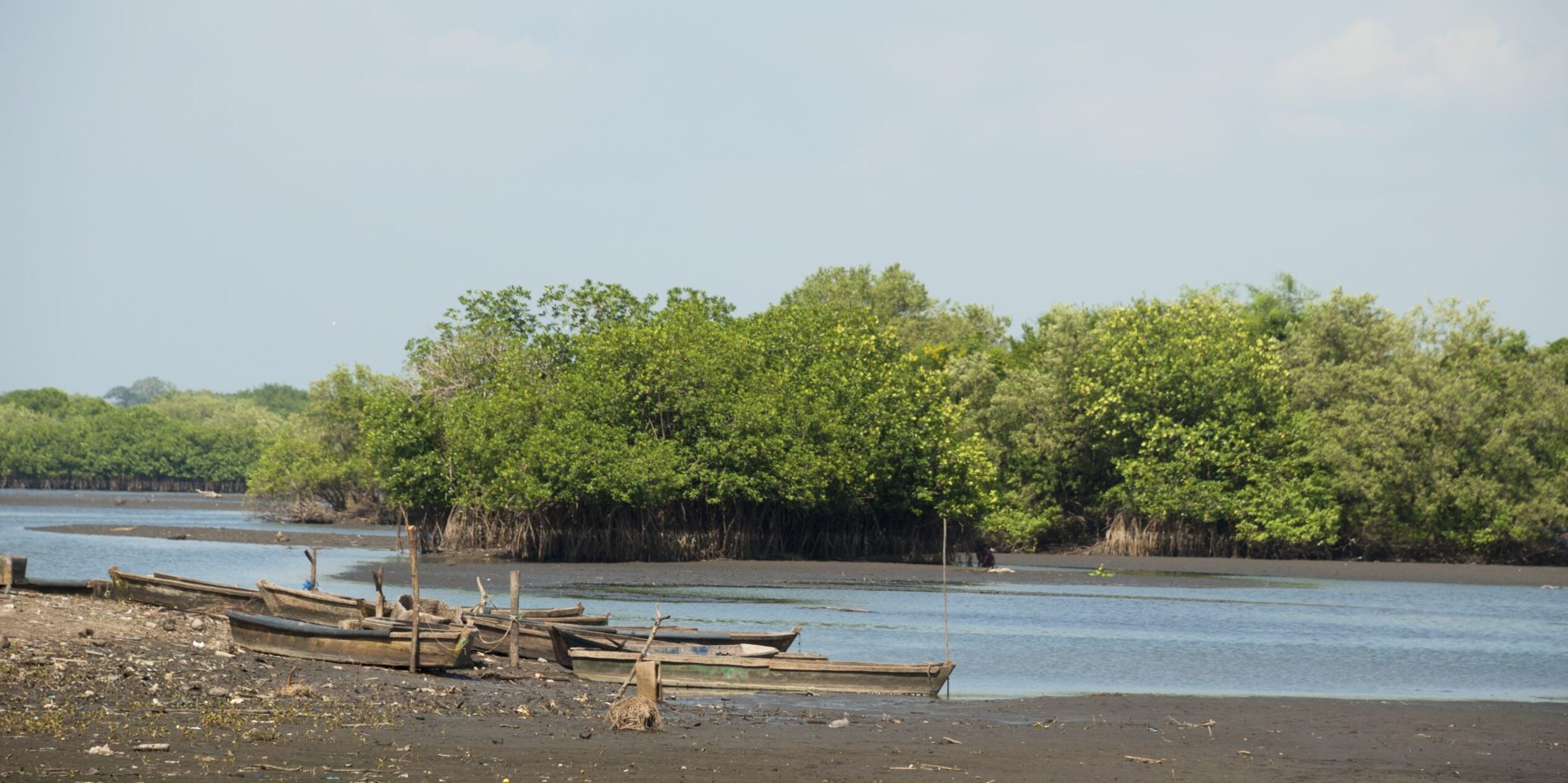
Along Guatemala’s Caribbean coast lies the Río Sarstún Multiple-Use Protected Area (AUMRS), which hosts the second-largest mangrove system in the Guatemalan Caribbean, as well as several local communities, including Barra Sarstún. This community has demonstrated a strong commitment to mangrove conservation and has actively participated in reforestation efforts since 2021, leading to improvements in both ecosystem health and local environmental conditions.
To further support conservation efforts and address the challenges facing mangrove ecosystems, the Beekeeping in Mangroves project was implemented in Barra Sarstún with the support of Pure Ocean Fund, New England Biolabs Foundation, and The Summit Foundation.
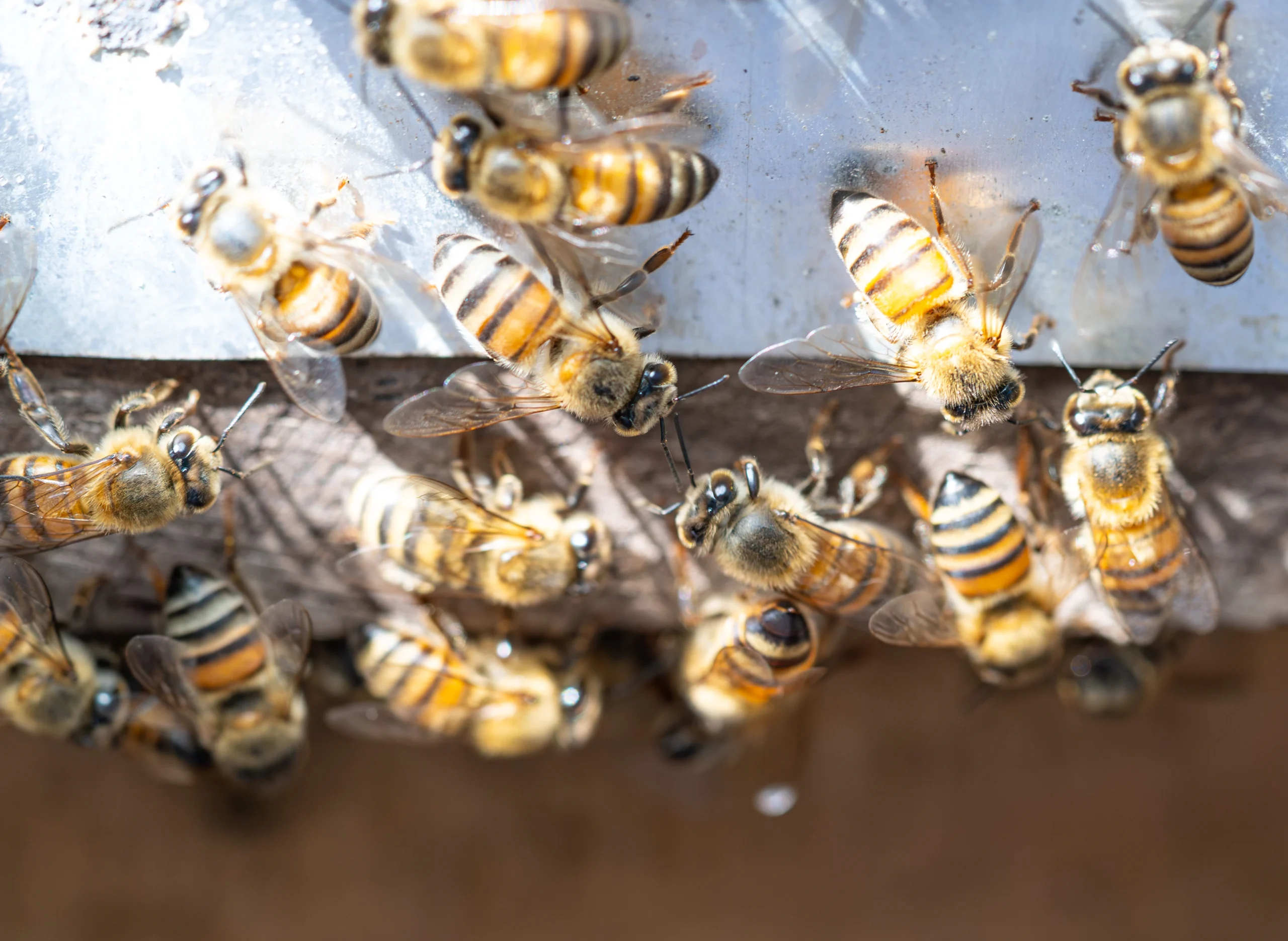
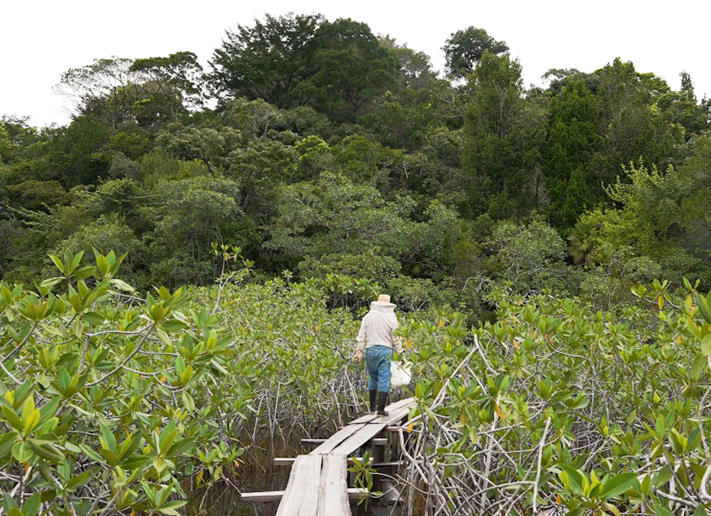
Beekeeping involves the care and management of bees, whose role in plant pollination, through their foraging and collection of nectar and pollen, contributes significantly to the reproduction of local flora. Consequently, promoting beekeeping in coastal communities such as Barra Sarstún also supports mangrove regeneration in these areas, thereby benefiting overall ocean health. Beekeeping provides a wide range of hive products, including honey, wax, propolis, royal jelly, and other derivatives that can be commercialized. As such, it represents a valuable economic alternative for diversifying community income sources.
Diversifying employment opportunities within the community is essential to counteract the adverse economic impacts that declining fish populations and climate change have on fisheries, which are the primary source of livelihood in Barra Sarstún. In this context, the implementation of beekeeping can create new employment opportunities, particularly for women, who often have limited access to and control over household economic resources.
By engaging in beekeeping, women can not only contribute to household income but also gain greater economic and social empowerment within their communities. This inclusion of women in beekeeping activities strengthens the local economy while promoting gender equity and sustainable development in Barra Sarstún.
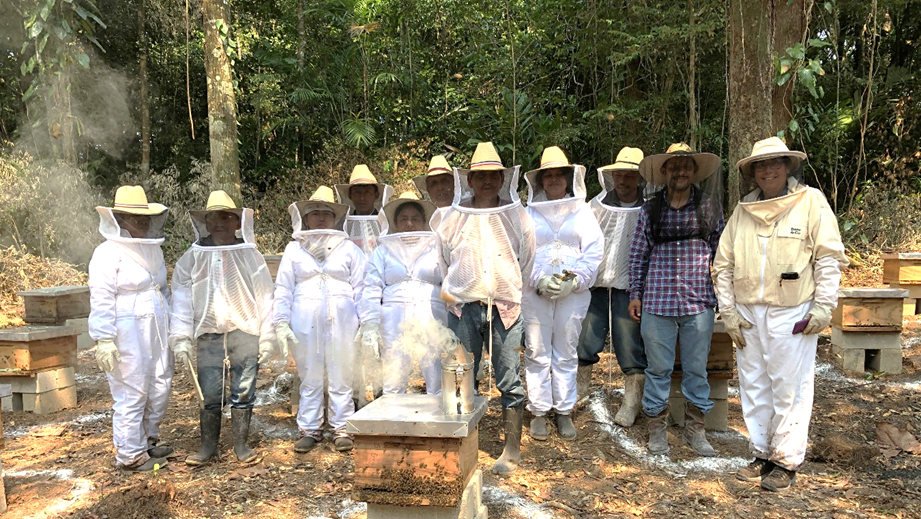
As part of the Beekeeping in Mangroves project, a series of theoretical and hands-on training sessions have been conducted on apiary operations, hive inspection and management, as well as the extraction and bottling of mangrove honey for commercialization. Together with community members involved in the project, the honey’s logo and brand were developed under the name Ki’il Sarstoon, which in the Q’eqchi’ Maya language means “Sarstún honey.”
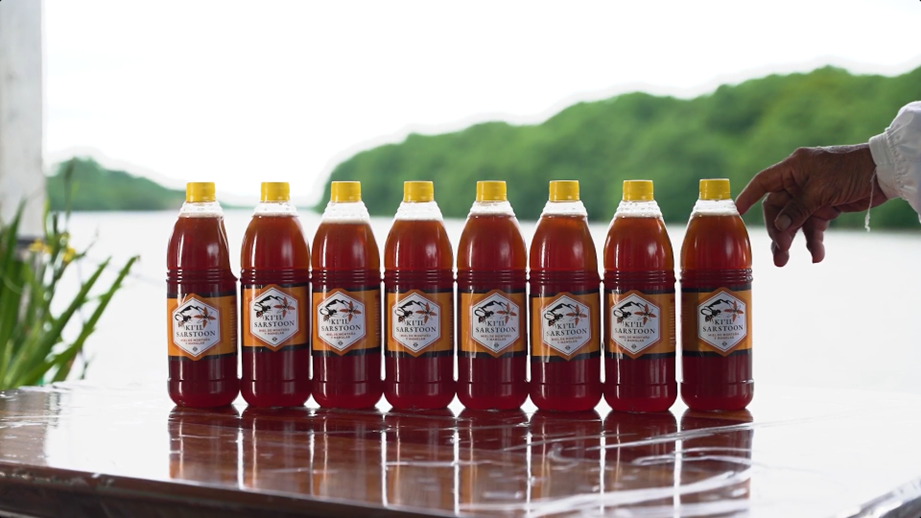
The commercialization of this honey not only generates income for the group of beekeepers in Barra Sarstún, but also has the potential to raise awareness.both within and beyond the community, about the importance of mangroves as a source of ecosystem services and economic benefits. It also highlights the value of beekeeping as a sustainable livelihood capable of benefiting both the community and the mangrove ecosystems that surround it.
Beekeeping in the area is expected to make a significant contribution to mangrove conservation, both through the pollination services provided by bees and by creating an economic incentive for the community to remain actively engaged in the protection and restoration of these ecosystems.
As part of the project, environmental education workshops on bees have also been conducted with children and youth from local schools. These workshops aim to strengthen their understanding of the importance of mangroves, bees, and beekeeping, while fostering interest in pursuing beekeeping in the future. In this way, the project seeks to ensure long-term continuity and promote the active involvement of younger generations in the conservation and sustainable use of Barra Sarstún’s natural resources.

Further Reading
-
Friess, D. A. (2016). Ecosystem services and disservices of mangrove forests: Insights from historical colonial observations. Forests, 7(9). https://doi.org/10.3390/f7090183
-
Getzner, M., & Islam, M. S. (2020). Ecosystem services of mangrove forests: Results of a meta-analysis of economic values. International Journal of Environmental Research and Public Health, 17(16), 5830. https://doi.org/10.3390/ijerph17165830
-
Hernández-Félix, L., Molina-Rosales, D., & Agraz-Hernández, C. (2017). Ecosystem services and conservation strategies in the mangroves of Isla Arena. Agricultura, Sociedad y Desarrollo, 14(3), 427–449. https://www.revista-asyd.org/index.php/asyd/article/view/644
-
Hidalgo, H., & López, C. (2007). Río Sarstún Multiple-Use Reserve. Ramsar Information Sheet (RIS). https://rsis.ramsar.org/ris/1667
-
Himes-Cornell, A., Grose, S. O., & Pendleton, L. (2018). Mangrove ecosystem service values and methodological approaches to valuation: Where do we stand? Frontiers in Marine Science, 5, 376. https://doi.org/10.3389/fmars.2018.00376
-
MarFund. (2021). Communities on Guatemala’s Caribbean coast participate in mangrove conservation and restoration. https://marfund.org/es/comunidades-caribe-guatemala-conservacion-restauracion-manglares/
-
Pysanczyn, J. (2021). Mangrove Mania – The Ecosystem That Keeps on Giving. The Marine Diaries. https://www.themarinediaries.com/tmd-blog/mangrove-mania-the-ecosystem-that-keeps-on-giving